SPC Transportation Performance Management Site Launched

Transportation Performance Management is a strategic approach to transportation investments that uses transportation system data to inform investment and policy decisions that meet national performance goals.

SPC has long utilized a comprehensive planning and programming process with a focus on collaboration between PennDOT, US DOT, and planning partners at the county and regional levels. We utilize this process in our ongoing planning effort to implement Transportation Performance Management and Performance-Based Planning and Programming.

Transportation Performance Management Site


Indiana Gazette: SPC seeks area transportation input at Thursday hearing

As part of its ongoing development of the region’s Long-Range Transportation Plan, the Southwestern Pennsylvania Commission is hosting a public meeting for Indiana County residents on Thursday from 3 to 5 p.m. at the PA CareerLink Building, 300 Indian Springs Road, White Township.

The meeting is an opportunity for the public to provide their opinions on local, long-term transportation and infrastructure challenges.

SPC is the area’s designated metropolitan planning organization, and works closely with the region’s 10 counties, including Indiana as well as Allegheny, Armstrong, Beaver, Butler, Fayette, Greene, Lawrence, Washington and Westmoreland counties.

The city of Pittsburgh also is recognized as a separate member of SPC.

In June 2019, SPC adopted the region’s official long-range transportation plan, called “Smart Moves for a Changing Region,” which included over $35 billion of regional transportation priorities for the next 25 years.

As part of SPC’s efforts to periodically update the plan, it hosts meetings for the public to learn about the region’s long-term transportation and infrastructure challenges and provide their opinions on these issues.

If a member of the public is not able to attend the meeting in-person, but would still like to provide their perspective on these issues, they are invited to submit their comments during the public comment period (which runs until June 9).

They can submit comments by email at comments@spcregion.org, complete an online form at spcregion.org, send a fax to (412) 391-9160, or mail comments to Southwestern Pennsylvania Commission, P.O. Box 101429, Pittsburgh, PA 15237.

View the full article at indianagazette.com


Pittsburgh Union-Progress: Long-range regional transportation plan increases spending for public transit

The draft long-range transportation plan for 10 southwestern Pennsylvania counties and the city of Pittsburgh calls for spending $41.4 billion over the next 25 years for roads, bridges, public transit and trail improvements.

That’s nearly a $10 billion increase since the plan was updated four years ago and marks a major change in emphasis from road and bridge work to public transit. Under the new proposal from the Southwestern Pennsylvania Commission, transit spending is expected to increase from $14.4 billion to $26.8 billion while road and bridge spending is expected to drop from $17.3 billion to $14.6 billion.


Domenic D’Andrea, director of SPC’s office of transportation planning, emphasized the agency hasn’t shifted its priorities but planned future spending based on where it expects funding to be available over the next 25 years. The agency plans how federal transportation money will be spent in Allegheny, Armstrong, Beaver, Butler, Fayette, Greene, Indiana, Lawrence, Washington and Westmoreland counties, as well as Pittsburgh.

“I don’t think there’s a shift in priorities,” he said. “We look at the revenues and what we think is going to be available.”

The Biden administration’s stimulus plan earmarked billions for public transportation because that addresses the president’s goal to reduce air pollution.

“This is going to be a really exciting time” for transit as a result of the extra funding, Dave Totten, SPC’s transit planner, said during a recent public input meeting in Pittsburgh.

He noted the plan includes funding for major Pittsburgh Regional Transit initiatives such as building a new maintenance garage, replacing light rail vehicles, extending the Martin Luther King Jr. East Busway to Monroeville and developing a transit corridor from Pittsburgh’s Strip District to Oakland, Hazelwood and Overbrook neighborhoods that could include the use of gondolas.

Other counties can expect help replacing diesel buses with electric vehicles and funding for other projects. One of those would be creating a common payment system for all transit agencies in the region, to make it easier for customers to transfer from one agency’s system to another for longer commutes.

Butler County is conducting a study on the feasibility of setting up a transfer station near the UPMC Lemieux Sports Complex in Cranberry.

Although there will be a smaller pool of money for roads and bridges, D’Andrea said, a higher percentage of that money will go toward bridge projects. That’s because billions have been earmarked under President Joe Biden’s stimulus plan to upgrade thousands of bridges, he said.

D’Andrea said the region “has made some pretty good strides” over the past 10 years, reducing the number of state-maintained bridges in poor condition to 9.5% and locally owned bridges to 25%. The agency is emphasizing funding for local bridges, holding seminars in recent months to help local officials find funds for their projects.

“You’re going to see a lot more bridge projects,” he said. “Everybody is getting money for bridges. We still have a lot of work to do.”

Pittsburgh, in particular, has several bridge projects moving forward:

  • Charles Anderson Bridge in Schenley Park, which was closed earlier this year after inspectors found structural problems, had a $48 million rehabilitation project moved up to next year.
  • Swindell Bridge over Interstate 279 on the city’s North Side has a $27 million rehab project set for 2026.
  • Larimer Avenue Bridge, above Washington Boulevard in Larimer, has $14 million for work scheduled after 2027.

D’Andrea said the collapse last year of Pittsburgh’s Fern Hollow Bridge between Squirrel Hill and Point Breeze “brings focus to the issue” of bridge conditions but really had little to do with the city seeing an increase in projects. He noted the agency has to stay nimble to accommodate special cases where a bridge unexpectedly needs to be added to the work list, such as the Versailles Avenue Bridge in McKeesport, where a $10 million replacement project moved up after serious deterioration was discovered.

The draft also includes billions of dollars in road projects throughout the region, such as a $30 million traffic management system for the Parkway East in Pittsburgh, designed to ease crowded conditions by limiting where vehicles can enter the highway.

Another major project already underway is the $137 million installation of a diverging diamond interchange at Interstate 70 and Route 51 in Rostraver, Westmoreland County. The design reduces side-impact collisions by having traffic switch sides of the road going through the interchange.

Other proposed work includes eight projects on Route 21 in Fayette and Greene counties; 19 projects on Route 28 in Allegheny and Armstrong counties; 11 on Route 30 in Allegheny and Westmoreland counties; and 13 on Route 51 in Allegheny, Westmoreland and Fayette counties.

Although the spending plan appears to be robust, the report cautions there will be a shortfall in needed funds after the stimulus program ends in four years. It estimates the region will be $15.5 billion short of needed funds for the recommended projects unless something changes.

“The overall conclusion is that investment decisions for the highway and bridge asset management categories are diversified and reflect an appropriate overall commitment to Asset Management spending. But the overall shortfall in available funding is serious and means that without an overall increase in funding, transportation system performance will deteriorate during the period of this plan.”

The agency has two more virtual public meetings this week to discuss the draft plan:

  • 5 to 6:30 p.m. Tuesday for Butler County.
  • 6 to 7:30 p.m. Thursday for Allegheny County.

The SPC board is scheduled to vote on the draft plan when it meets June 27.

View the full article at unionprogress.com


Transportation Demand Management (TDM)

Together, we can create significant movement in TDM initiatives. 

View our Strategic Action Plan

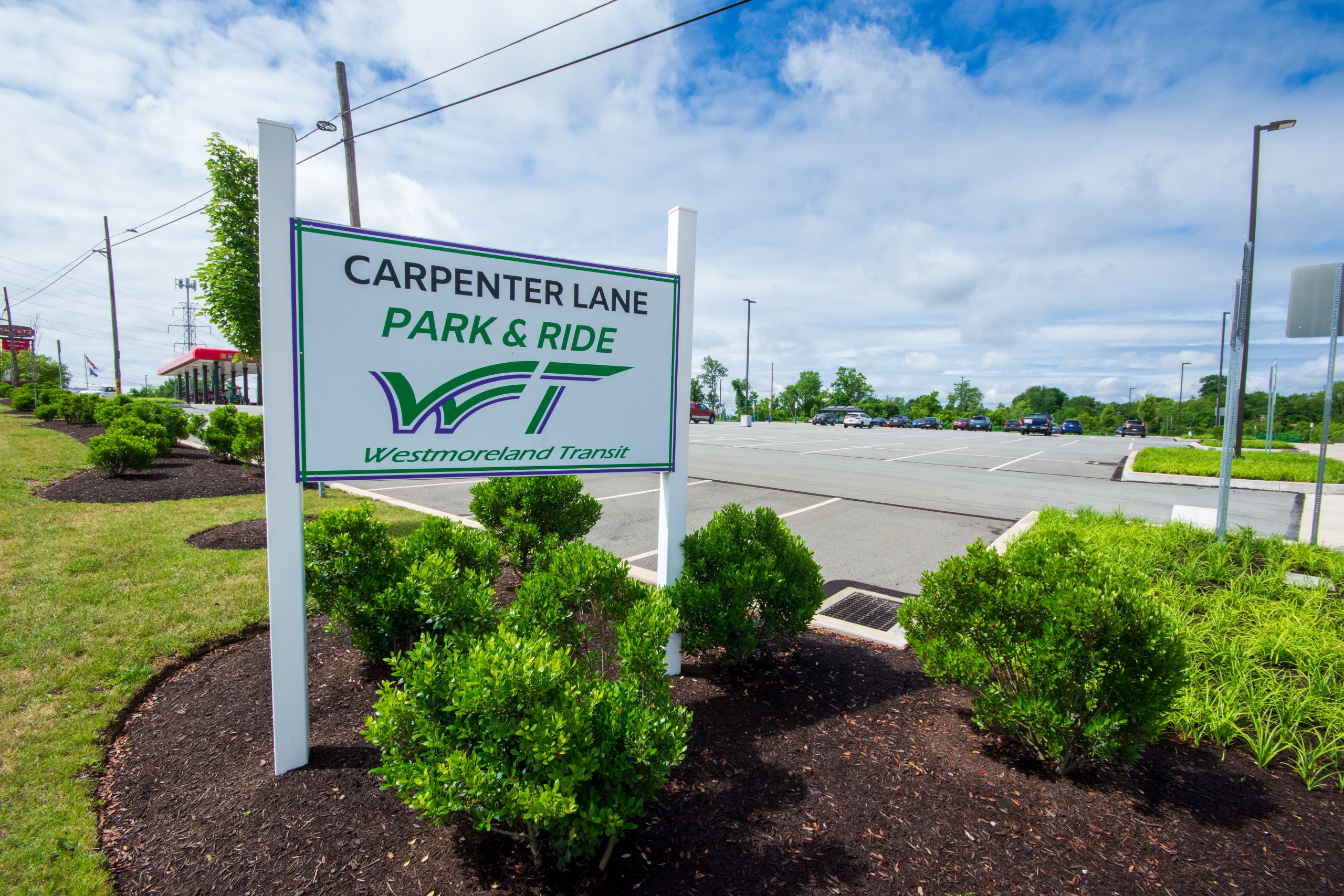
Transportation demand management focuses on the decisions that people and businesses make every day about how they travel. Managing travel demand involves providing travelers with information, options, and incentives that expand travel choices beyond driving alone, such as use of transit, ridesharing, bicycling, walking, and teleworking. For those who drive, it also involves shifting travel to less congested times or routes, or avoiding trips entirely in order to reduce traffic congestion, improve system efficiency, and enhance quality of life.

TDM Action Plan

This plan establishes and prioritizes goals and strategies, building upon existing efforts and programs to improve mobility options by:

  • Maximizing the efficiency of the region’s existing infrastructure.
  • Better integrating TDM initiatives with regional and local transportation planning.
  • Developing focused TDM planning strategies into operations and safety, sustainability as well as economic and community vitality.
  • Enhancing the region’s existing communities by supporting connections to transit, walking and bicycling.
  • Coordinating TDM activities among all of the region’s TDM implementers and stakeholders in order to maximize investment and to deliver consistent, complimentary strategies.

This plan also supports and implements the vision, policies and goals in the region’s Long-Range Transportation Plan, SmartMoves for a Changing Region

Resources


Observer-Reporter: Road map for long-term transportation projects to focus on local bridges

The road map for transportation projects over the next few years will focus on local bridges, according to a proposed long-term infrastructure plan.

While state and county-owned bridges have been getting a lot of attention in recent years, officials with the state Department of Transportation and Southwestern Pennsylvania Commission said they’re now moving forward with upgrades to lesser-traveled municipal-owned spans in the region.


PennDOT and SPC officials held a public meeting at Courthouse Square in Washington on Tuesday in which they unveiled the upcoming Transportation Improvement Program, or TIP, which offers a road map for future projects and how they will be funded. The four-year plans are adjusted every two years, and the SPC is now preparing to put the finishing touches on its 2025-28 plan with the expectation that its board will approve it in June.

“It’s a work in progress at the moment,” said Domenic D’Andrea, who is the SPC’s director of transportation and planning. “It’s a living, breathing document.”

But it also offers a set of priorities moving forward. In the upcoming TIP under consideration, locally owned bridges will be a focus of the infrastructure upgrades. That’s because while about 10% of state-maintained bridges are considered to be in poor condition, the number of local bridges that are rated poor is around 25%, according to D’Andrea.

Out of the $1.9 billion for major road projects in the region through the 2023 TIP, about 43% of it is earmarked for bridges.

“You’re going to see a lot of bridge preservation projects … and bigger projects,” said Angela Swallop Saunders, who is PennDOT District 12’s transportation planning manager. “We’re making a rather large investment in bridges.”

In addition to helping preserve municipal-owned bridges, she said PennDOT will also educate local leaders on how to maintain them so they can continue to be used for years to come, she said.

For more information on the next four-year TIP plan or to offer feedback about the plans, go to SPC’s website at www.spcregion.org and click on the “Get Involved!” tab.

View the full article at observer-reporter.com


Cranberry Eagle: Middlesex Township hosts public meeting to discuss transportation plan

Every two years, the Southwest Pennsylvania Commission, the metropolitan planning organization for the area that includes Butler County, updates its Transportation Improvement Plan, which is in effect for a three-year period. While the plan for 2023-26 is still in effect, the commission is working on putting together the plan for 2025-28, which comes into effect October 2024.

The commission held a public meeting at the Middlesex Township municipal building on Wednesday evening, Dec. 6, to gather feedback from Butler County residents.


Rob Vigue, Valencia Borough Council member, attended because he wanted to know how infrastructure developments around him would affect his neck of the woods.

“All this affects us directly, because Valencia’s right at the bottom, and a lot of people use Valencia to get to (Route) 228,” Vigue said. “So we always have our concerns because these can cause problems with the roads in our area, to back up and stuff like that.”

The Transportation Improvement Plan is a short-term plan for transportation projects in 10 counties and the city of Pittsburgh. Although the commission does help to procure funding through grants, it is up to agencies such as the state Department of Transportation to make sure that the plan is actually fulfilled.

“Our role is to facilitate the process of developing the TIP,” said Ryan Gordon, transportation program development manager for the commission. “And then from that point on, we turn it over to the sponsors of those projects. Most of them are PennDOT. It could be a transit agency, or it could be a local entity.”

“We have a very good relationship,” said Chad Mosco, portfolio engineer for PennDOT. “We’re very open to each other for suggestions. Ryan’s great. He communicates to us very well.”

Many of the “big-ticket” items that are expected to appear on the draft 2025-28 TIP are “carry-over items” — projects included on the current or previous improvement plans that haven’t been finished yet. These include the Three Degree Road intersection, as well as the replacement of the Karns Crossing Bridge.

“They’re already in the pipeline,” Gordon said. “They’ve already been started, ‘cause there’s many phases, many years to do some of these bigger projects.”

Another major item, the Balls Bend Safety Improvement Project, is expected to finish in January 2025 at a cost of $29.7 million. It promises to ease congestion and improve safety along a section of Route 228 by adding new travel lanes, two “jug handles,” and a new signal.

Gordon said some “candidate projects” suggested by the public are under consideration for the plan. However, he admitted the commission isn’t likely to include many of them, due to the high number of carry-over projects from past plans.

“We may not get too far down on this list, because of the carry-over and cost increases,” Gordon said. “But we always are constantly looking at needs. We’re constantly talking about projects. You never know when we’re going to free up some money and we can get one of these in there.”

During the meeting, Gordon touted the commission’s progress toward achieving its goals on the “Gateway 228” improvement plan, a series of improvement projects along Route 228 in the District 10 area. Out of the 11 projects listed, six have been finished, four are currently under construction, and one is in the engineering phase.

“Other counties would just be jealous of this, because this is a lot of investment in a corridor,” Gordon said. “We’re talking hundreds of millions of dollars here in this corridor.”

The 2025-28 TIP is scheduled to enter its formal 30-day comment period in May, before the commission adopts it the following month.

View the full article at cranberryeagle.com.


Butler Eagle: Middlesex Township hosts public meeting to discuss transportation plan

Every two years, the Southwest Pennsylvania Commission, the metropolitan planning organization for the area that includes Butler County, updates its Transportation Improvement Plan, which is in effect for a three-year period. While the plan for 2023-26 is still in effect, the commission is working on putting together the plan for 2025-28, which comes into effect October 2024.

The commission held a public meeting at the Middlesex Township municipal building on Wednesday evening, Dec. 6, to gather feedback from Butler County residents.


Rob Vigue, Valencia Borough Council member, attended because he wanted to know how infrastructure developments around him would affect his neck of the woods.

“All this affects us directly, because Valencia’s right at the bottom, and a lot of people use Valencia to get to (Route) 228,” Vigue said. “So we always have our concerns because these can cause problems with the roads in our area, to back up and stuff like that.”

The Transportation Improvement Plan is a short-term plan for transportation projects in 10 counties and the city of Pittsburgh. Although the commission does help to procure funding through grants, it is up to agencies such as the state Department of Transportation to make sure that the plan is actually fulfilled.

“Our role is to facilitate the process of developing the TIP,” said Ryan Gordon, transportation program development manager for the commission. “And then from that point on, we turn it over to the sponsors of those projects. Most of them are PennDOT. It could be a transit agency, or it could be a local entity.”

“We have a very good relationship,” said Chad Mosco, portfolio engineer for PennDOT. “We’re very open to each other for suggestions. Ryan’s great. He communicates to us very well.”

Many of the “big-ticket” items that are expected to appear on the draft 2025-28 TIP are “carry-over items” — projects included on the current or previous improvement plans that haven’t been finished yet. These include the Three Degree Road intersection, as well as the replacement of the Karns Crossing Bridge.

“They’re already in the pipeline,” Gordon said. “They’ve already been started, ‘cause there’s many phases, many years to do some of these bigger projects.”

Another major item, the Balls Bend Safety Improvement Project, is expected to finish in January 2025 at a cost of $29.7 million. It promises to ease congestion and improve safety along a section of Route 228 by adding new travel lanes, two “jug handles,” and a new signal.

Gordon said some “candidate projects” suggested by the public are under consideration for the plan. However, he admitted the commission isn’t likely to include many of them, due to the high number of carry-over projects from past plans.

“We may not get too far down on this list, because of the carry-over and cost increases,” Gordon said. “But we always are constantly looking at needs. We’re constantly talking about projects. You never know when we’re going to free up some money and we can get one of these in there.”

During the meeting, Gordon touted the commission’s progress toward achieving its goals on the “Gateway 228” improvement plan, a series of improvement projects along Route 228 in the District 10 area. Out of the 11 projects listed, six have been finished, four are currently under construction, and one is in the engineering phase.

“Other counties would just be jealous of this, because this is a lot of investment in a corridor,” Gordon said. “We’re talking hundreds of millions of dollars here in this corridor.”

The 2025-28 TIP is scheduled to enter its formal 30-day comment period in May, before the commission adopts it the following month.

View the full article at butlereagle.com.


Herald-Standard: SPC seeking feedback on future transportation, infrastructure projects

People in Southwestern Pennsylvania will have multiple opportunities later this month to learn more about the region’s future transportation and infrastructure plans, while offering their own suggestions on what improvements they would like to see happen.

The Southwest Pennsylvania Commission is holding separate town hall meetings in Washington and Fayette counties next week, and another one in Greene County at the end of the month.


On the agenda is the 2025-28 Transportation Infrastructure Program, or TIP, that will discuss the roughly $4.5 billion in state, federal and local funds that will be invested in the region’s infrastructure and transportation system over the next few years.

The meetings are being held this spring across the SPC’s 10-county region, and the discussions will focus solely on each individual county, while seeking input from local residents. Plans typically center around transportation improvements, such as construction of new roads, highways and bridges, or other infrastructure plans, such as expanding high-speed broadband internet.

SPC officials, county leaders and state Department of Transportation representatives will be in attendance to listen to input and gather information from the public. The discussion of the region’s 25-year plan will also include a question-and-answer session with the public.

The meetings will be held on the following dates:

  • Fayette County – Tuesday, May 21, 2 to 4 p.m. – Former Gallatin Bank Building at 2 W. Main St. in Uniontown.
  • Washington County – Wednesday, May 22, 3 to 5 p.m. – Courthouse Square at 100 W. Beau St. in Washington.
  • Greene County – Wednesday, May 29, 5 to 7 p.m. – PennDOT District 12 Maintenance Facility at 129 Jefferson Road near Waynesburg.

People who cannot attend one of the meetings, but would still like to offer their opinions, can submit public comments through email, mail or online by June 7. Comments can be emailed to comments@spcregion.org; mailed to Southwestern Pennsylvania Commission’s address at 42 21st Street, Suite 101, Pittsburgh, PA 15222; or sent through an online form at www.spcregion.org/get-involved.

More information on the meetings and the TIP can be found at www.spcregion.org.

View the full article at heraldstandard.com.


Observer-Reporter: SPC seeking feedback on future transportation, infrastructure projects

People in Southwestern Pennsylvania will have multiple opportunities later this month to learn more about the region’s future transportation and infrastructure plans, while offering their own suggestions on what improvements they would like to see happen.

The Southwest Pennsylvania Commission is holding separate town hall meetings in Washington and Fayette counties next week, and another one in Greene County at the end of the month.


On the agenda is the 2025-28 Transportation Infrastructure Program, or TIP, that will discuss the roughly $4.5 billion in state, federal and local funds that will be invested in the region’s infrastructure and transportation system over the next few years.

The meetings are being held this spring across the SPC’s 10-county region, and the discussions will focus solely on each individual county, while seeking input from local residents. Plans typically center around transportation improvements, such as construction of new roads, highways and bridges, or other infrastructure plans, such as expanding high-speed broadband internet.

SPC officials, county leaders and state Department of Transportation representatives will be in attendance to listen to input and gather information from the public. The discussion of the region’s 25-year plan will also include a question-and-answer session with the public.

The meetings will be held on the following dates:

  • Fayette County – Tuesday, May 21, 2 to 4 p.m. – Former Gallatin Bank Building at 2 W. Main St. in Uniontown.
  • Washington County – Wednesday, May 22, 3 to 5 p.m. – Courthouse Square at 100 W. Beau St. in Washington.
  • Greene County – Wednesday, May 29, 5 to 7 p.m. – PennDOT District 12 Maintenance Facility at 129 Jefferson Road near Waynesburg.

People who cannot attend one of the meetings, but would still like to offer their opinions, can submit public comments through email, mail or online by June 7. Comments can be emailed to comments@spcregion.org; mailed to Southwestern Pennsylvania Commission’s address at 42 21st Street, Suite 101, Pittsburgh, PA 15222; or sent through an online form at www.spcregion.org/get-involved.

More information on the meetings and the TIP can be found at www.spcregion.org.

View the full article at observer-reporter.com.


About Us

The Southwestern Pennsylvania Commission (SPC) is comprised of both a 60+ member governing body (The Commission), as well as a 50+ member administrative arm (The Corporation) all working together on the goals of Transportation, Planning & Development and Information Systems in the Southwestern Pennsylvania region.

Mission Statement

We are the cooperative forum for regional collaboration, planning, and public decision-making. We operate with public involvement and trust. We develop plans and programs for public investments, as well as fulfill federal and state requirements for transportation, economic development, and local government assistance programs.